Lifestyle vs Studio Product Photography: What Works Better?
createsco
October 13, 2026
Product images help customers understand what they are buying, especially when shopping online. But not every product needs the same type of photography. Studio product photography focuses on clear product presentation, while lifestyle product photography shows how a product looks in a real-life setting. For Indian online sellers, D2C brands, and businesses selling on platforms like Amazon and Flipkart, choosing the right style depends on the product, the platform, and how customers need to see it.
Studio Product Photography
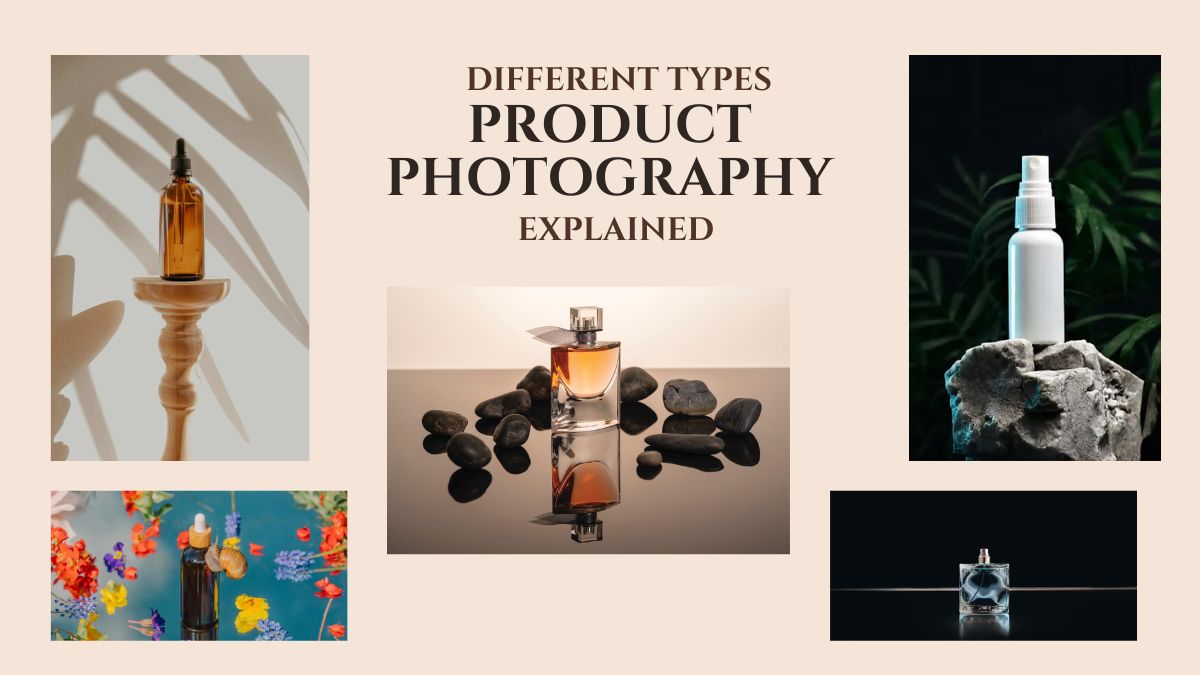
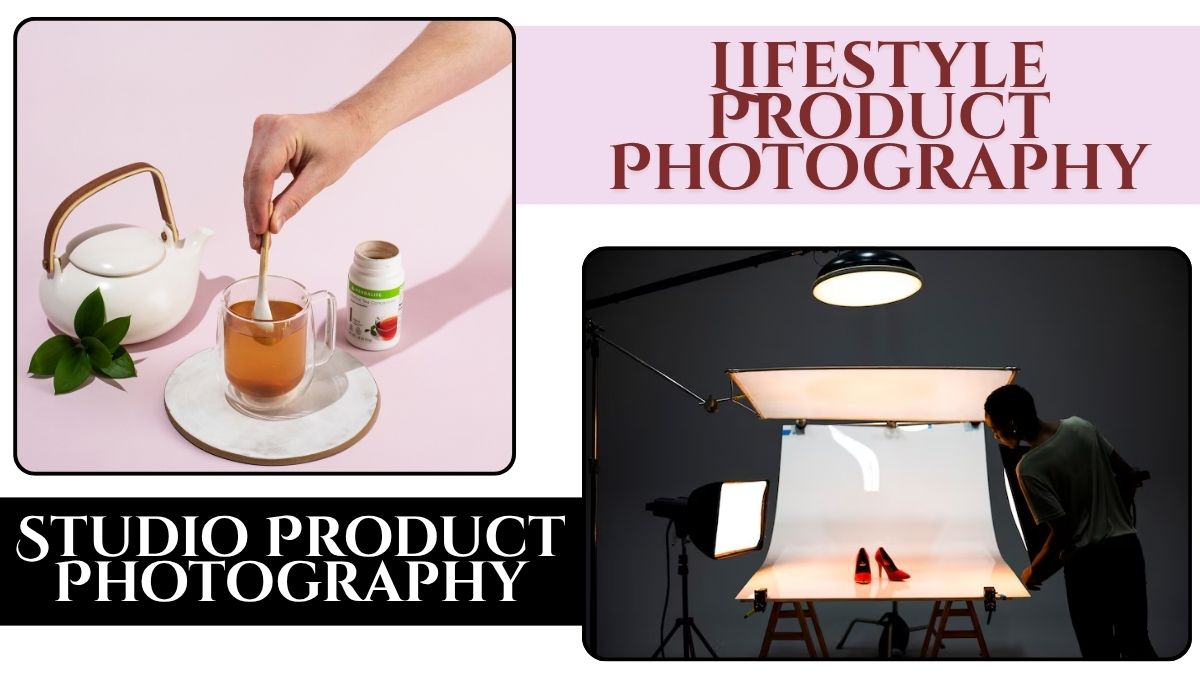
Studio product photography captures products in a controlled environment using planned lighting, selected backgrounds, and carefully arranged compositions. White and neutral backgrounds are common, but photographers can also use coloured backgrounds to match a brand's identity. The main goal is to present the product clearly without unnecessary distractions.
For example, a skincare brand can use studio photography to show a cream jar's packaging, label, colour, and texture. Similarly, an electronics seller can use close-up images to show buttons, ports, and product details that customers may want to inspect before purchasing.
Why It Works
- Clear product details: Controlled lighting helps show the product's shape, texture, finish, and important features.
- Consistent product images: Using a similar background, angle, and lighting setup creates a uniform look across different products and variants.
- Fewer distractions: Simple backgrounds keep attention on the product rather than the surrounding environment.
- Flexible presentation: Photographers can use different angles, close-ups, and background colours according to the product and brand requirements.
Best Used For
- E-commerce listings: Clean product images are useful for online stores and marketplace listings. Sellers should check the current image requirements for their specific platform and product category.
- Electronics and gadgets: Studio images help customers examine the design, ports, buttons, and other visible features.
- Jewellery and watches: Controlled lighting and close-up photography can highlight small details, stones, metal finishes, and craftsmanship.
- Product catalogues: Consistent images make it easier to present multiple products, sizes, colours, and variants in a single catalogue.
- Industrial and B2B products: Clear photographs help buyers inspect product design and visible specifications before making enquiries.
Lifestyle Product Photography
Lifestyle product photography shows a product in a real-life or carefully styled setting. It may include models, props, furniture, outdoor locations, or everyday activities. Instead of showing only what the product looks like, the photograph helps customers understand how it might fit into their lives.
For example, a skincare product can be photographed beside a bathroom mirror as part of a daily routine. A clothing brand can show a model wearing its latest collection, while a home décor brand can photograph a lamp on a bedside table. These settings give customers more context about the product's use and appearance.
Why It Works
- Real-life context: Customers can see how a product might be used at home, outdoors, or in everyday situations.
- Better understanding of size and use: Showing a lamp beside a bed or a watch on someone's wrist gives customers a reference for scale.
- Visual storytelling: Props, locations, and models help communicate a brand's style, mood, and intended audience.
- More creative options: Different settings, compositions, and activities allow brands to create varied images for campaigns and social media.
Best Used For
- Social media content: Lifestyle images can make products easier to relate to and provide visual variety for Instagram posts and advertisements.
- Fashion and clothing: Models can show how garments fit, move, and look when worn.
- Skincare and beauty: Real-life settings can demonstrate where and how products fit into a beauty routine.
- Food and beverages: Styled serving scenes can show presentation, portion size, and occasions for using a product.
- Furniture and home décor: Showing products in a furnished room helps customers understand their size, placement, and visual effect.
- Brand campaigns: Lifestyle photography helps businesses communicate a particular mood, customer experience, or brand identity.
Lifestyle vs Studio Product Photography: Key Differences
Both styles can present products effectively, but they serve different purposes. The main differences are in their setting, presentation, and the information they communicate to customers.
1. Background and setting
Studio product photography often uses a plain, neutral, or carefully styled background. This keeps attention on the product and helps maintain consistency across a catalogue.
Lifestyle photography uses real-life or designed environments. A handbag might appear against a plain background in a studio image, while a lifestyle photograph could show someone carrying the same handbag during an outing.
2. Lighting and visual control
Studio photography gives the photographer greater control over the lighting, shadows, and background. This makes it useful when several products need a similar appearance.
Lifestyle photography may use natural light, existing room light, or professional lighting equipment. The result depends on the chosen location and creative setup. Outdoor shoots, for example, may require adjustments to account for changing sunlight.
3. Product details and real-life context
Studio images can make it easier to focus on labels, textures, finishes, shapes, and small product details. These images are useful when customers need to inspect an item closely.
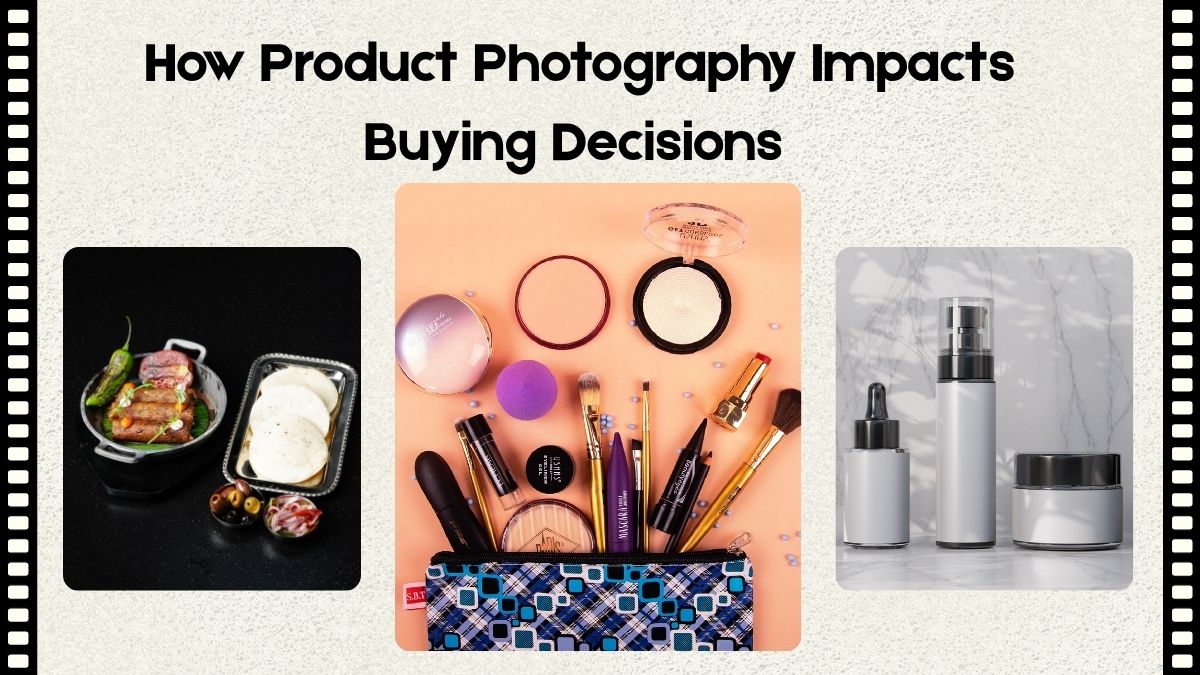
Lifestyle images provide context by showing the product in use. They can help customers understand how clothing fits, how furniture looks in a room, or how an accessory is worn.
4. Styling and overall appearance
Studio photography can range from simple white-background images to creative setups with coloured backdrops and carefully placed props. Its style can remain minimal or become highly artistic.
Lifestyle photography usually gives more attention to the relationship between the product and its surroundings. The location, model, props, and activity all contribute to the final image.
5. Photoshoot setup, time, and cost
A basic studio shoot may need only a suitable background, lighting equipment, and the product itself. However, reflective objects, complex products, and elaborate styling can require more preparation.
Lifestyle shoots may involve location selection, models, props, travel, and additional coordination. A simple lifestyle setup can still be inexpensive, while a large studio production can cost more than a small location shoot. The final budget depends on the scope of the project rather than the style alone.
Which Product Photography Style Works Better for Different Products?
The choice becomes easier when you consider what customers need to see before buying. Here are some examples for common product categories in the Indian market.
Fashion and Clothing
Studio photography works well for catalogue images that show garments clearly against a consistent background. It helps customers focus on the colour, design, and shape of the clothing.
Lifestyle photography is useful when customers need to see how an outfit looks when worn. Model poses, different locations, and natural movement can help communicate fit and styling. Many clothing brands benefit from using studio catalogue images alongside lifestyle campaign photographs.
Skincare and Beauty
Studio photography is suitable for showing packaging, labels, bottle designs, and product textures. It can also help a brand maintain a consistent appearance across a complete skincare range.
Lifestyle photography can show products in a bathroom, on a dressing table, or as part of a skincare routine. For beauty brands, both styles can work together: studio images present the product clearly, while lifestyle images provide context for its use.
Jewellery and Accessories
Studio photography is especially useful for close-ups of jewellery, watches, and accessories. Controlled lighting can help reveal design details, metal finishes, and craftsmanship.
Lifestyle photography shows how a necklace looks when worn or how a watch fits on a wrist. For jewellery sellers, studio images can support detailed product inspection, while lifestyle photographs help customers understand the item's appearance when styled.
Food and Beverages
Studio photography can create clean images of packaged foods, beverage bottles, and products that need consistent catalogue presentation. It is also useful for showing packaging and labels clearly.
Lifestyle photography can show food being served, a beverage on a café table, or a snack being enjoyed during a gathering. This approach works well when the serving experience and occasion are important parts of the product's appeal.
Furniture and Home Décor
Studio photography can show smaller décor items against simple backgrounds and highlight their shape, colour, and finish.
Lifestyle photography is particularly useful for furniture, lamps, rugs, cushions, and decorative accessories. Showing a product in a furnished room helps customers understand its scale and how it might look in their own space. For larger furniture items, lifestyle images may provide context that an isolated product photograph cannot.
Electronics and Gadgets
Studio photography is useful for presenting phones, headphones, speakers, and other electronic products from multiple angles. Close-up shots can highlight buttons, ports, materials, and visible design features.
Lifestyle photography can show how someone uses headphones while travelling or places a speaker in a living room. This adds context to the product's everyday use. However, clear studio images remain important when customers need to inspect the device itself.
Can You Use Studio and Lifestyle Photography Together?
Yes. Using both styles can give customers a more complete understanding of a product. Studio images can show the item's design and details, while lifestyle images demonstrate how it looks in a real-world setting.
For example, an Indian skincare brand could use a clean studio photograph as the main product image on its online store. Additional images could show the bottle's texture and packaging, followed by lifestyle photographs of the product placed within a skincare routine. A clothing brand could combine consistent catalogue images with photographs of models wearing the collection.
The right combination depends on the number of images needed, the product category, and the requirements of the selling platform. If the budget is limited, businesses can start with clear product photographs and add lifestyle images for products where context, styling, or scale matters most.
Frequently Asked Questions
1. What is the difference between lifestyle and studio product photography?
Studio photography presents a product in a controlled setting, often with a simple background and planned lighting. Lifestyle photography shows the product in a real-life or styled environment to communicate its use, appearance, or context.
2. Which is better for Amazon and Flipkart product listings?
Studio photography is often useful for primary product images because it presents the item clearly. However, image rules vary by platform and category, so sellers should check the latest requirements. Lifestyle images may be suitable for additional gallery images when the platform permits them.
3. Is lifestyle product photography better for Instagram ads?
Lifestyle photography can work well when the goal is to show a product in use or communicate a brand's personality. Studio photography can also work for advertisements that focus on product features, packaging, or a clean visual style. The better option depends on the creative concept and campaign objective.
4. Which style is more expensive?
Neither style is always more expensive. Costs depend on shoot duration, equipment, location, models, props, editing, and the number of final images. A simple lifestyle shoot may cost less than a complex studio production, and the reverse can also be true.
5. Do online sellers need both types of product photography?
Not always. Some sellers can meet their needs with clear studio images, while others benefit from lifestyle photographs that show how products are used. Using both can be helpful when customers need to inspect product details and understand the product in context.
Conclusion: Which Works Better?
Lifestyle vs studio product photography is not about choosing one style for every product. Studio photography is often the right starting point when clear details, consistent presentation, and product inspection matter most. Lifestyle photography is useful when customers need to see how a product looks in use or how it fits into everyday life.