Different Types of Product Photography Explained
createsco
May 26, 2026
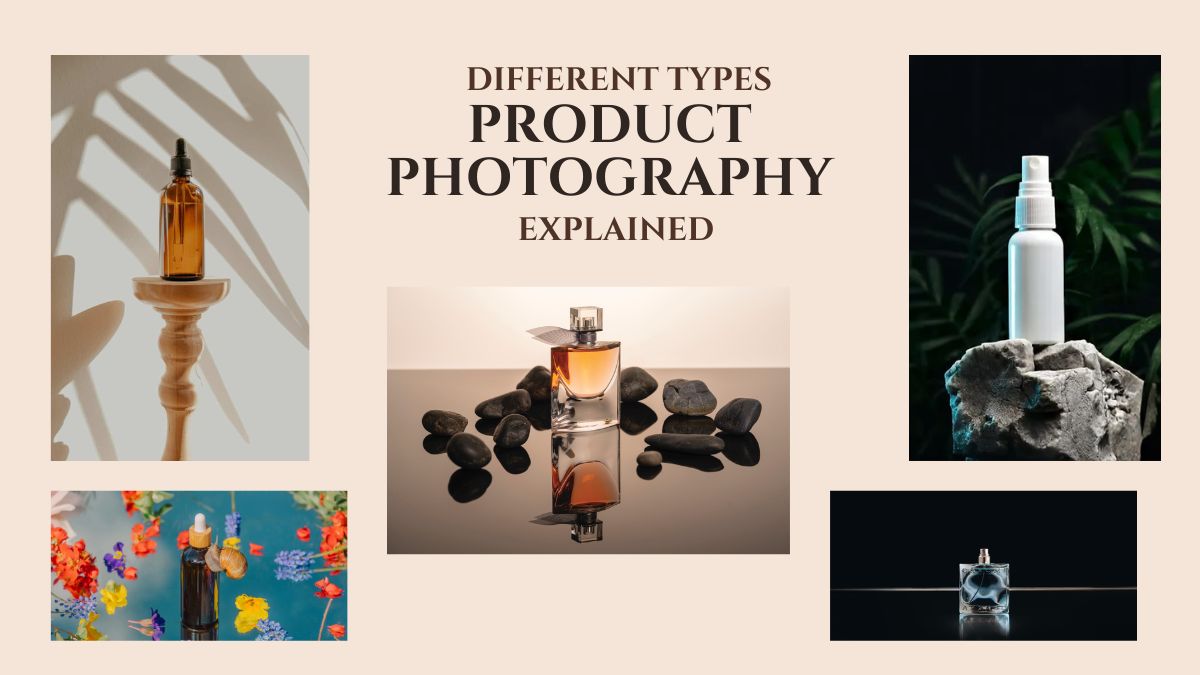
Product photography plays an important role in how products are presented across ecommerce platforms, websites, catalogs, advertisements, and social media. Different photography styles exist because every business has different goals, audiences, and presentation requirements. Some styles focus on clean product visibility, while others focus on storytelling, branding, or creating a stronger emotional connection with viewers. Understanding the purpose of each photography type helps businesses choose the most suitable visual approach for their products and marketing platforms.
What Are the Different Types of Product Photography?
Different types of product photography include white background photography, lifestyle photography, flat lay photography, catalog photography, creative conceptual photography, detail photography, and 360-degree photography. Each style is designed for a specific purpose depending on where the product will be used and how businesses want customers to interact with it. Some styles focus on clean ecommerce presentation, while others are more useful for branding, storytelling, advertising, or social media engagement.
What Is White Background Product Photography?
White background photography focuses on presenting the product clearly without distractions. The product is photographed against a clean white backdrop so viewers can focus entirely on its design, color, and details.
- Clean Presentation: White backgrounds remove unnecessary distractions and help products appear more professional and organized.
- Ecommerce Usage: This style is widely used in ecommerce product photography because marketplaces and online stores often prefer simple product-focused visuals.
- Consistent Appearance: Using a uniform white background creates consistency across multiple product images and collections.
- Better Visibility: Product edges, textures, and colors usually appear clearer against bright neutral backgrounds.
- Marketplace Compatibility: Many ecommerce platforms require white background product photography to maintain standardized product presentation.
What Is Lifestyle Product Photography?
Lifestyle photography shows products being used in real-world situations. Instead of isolating the product, this style creates a natural environment that helps customers imagine the product in everyday life.
- Real Usage: Products are photographed in realistic environments to demonstrate how they fit into daily routines or lifestyles.
- Emotional Connection: Lifestyle product photography helps create a stronger emotional response by making products feel more relatable.
- Branding Support: This style is commonly used for product photography for branding because it helps communicate brand personality and visual identity.
- Social Media Appeal: Lifestyle setups often perform well on social media because they feel more natural and visually engaging.
- Context Creation: Products appear more meaningful when viewers can understand their practical use within a real environment.
What Is Flat Lay Product Photography?
Flat lay photography arranges products on a flat surface and photographs them from directly above. This style focuses heavily on composition, spacing, and visual balance.
- Top View: Products are arranged carefully from a bird’s-eye perspective to create organized and symmetrical visuals.
- Visual Structure: Flat lay product photography emphasizes spacing, alignment, and composition to maintain visual clarity.
- Social Aesthetics: This photography style is widely used on Instagram, websites, and editorial content because of its clean visual appeal.
- Product Grouping: Multiple related products can be displayed together without making the image feel overcrowded.
- Minimal Styling: Simple layouts and balanced spacing help products remain visually clear and easy to understand.
What Is Catalog Product Photography?
Catalog photography is designed to display products consistently across large collections. The goal is to maintain visual uniformity while showcasing multiple products efficiently.
- Collection Display: Catalog product photography helps businesses present multiple items in a structured and visually organized way.
- Consistent Layouts: Uniform lighting, framing, and positioning create a professional and easy-to-navigate presentation.
- Commercial Usage: This style is commonly used in printed catalogs, ecommerce websites, and wholesale product presentations.
- Product Clarity: The focus remains on accurately showing the product without excessive styling or distraction.
- Organized Presentation: Consistent formatting improves browsing experiences for customers viewing large product collections.
What Is Creative or Conceptual Product Photography?
Creative photography focuses more on storytelling, artistic direction, and visual impact. Instead of only showing the product, the image is designed to create mood and attention.
- Visual Storytelling: Creative product photography uses concepts, themes, and visual narratives to make products feel more memorable.
- Artistic Direction: Lighting, props, colors, and composition are combined to create a distinctive visual atmosphere.
- Advertising Usage: This style is commonly used for campaigns, advertisements, and promotional content where visual impact is important.
- Brand Identity: Conceptual visuals often help businesses create stronger brand recognition and uniqueness.
- Audience Attention: Creative compositions are designed to stand out quickly and capture viewer interest.
What Is Product Detail Photography?
Detail photography focuses on close-up images that highlight textures, materials, craftsmanship, and fine product elements.
- Texture Visibility: Close-up shots help viewers see materials, stitching, patterns, or surface finishes more clearly.
- Quality Emphasis: Product detail photography is useful for showing craftsmanship and build quality in a visually convincing way.
- Zoom Clarity: Customers can better understand product features when important details are photographed separately.
- Material Focus: This style works especially well for jewelry, fashion, electronics, and handcrafted products.
- Trust Building: Detailed visuals often improve customer confidence by providing a more transparent product view.
What Is 360 Product Photography?
360-degree photography allows viewers to see products from multiple angles instead of relying on a single static image.
- Multiple Angles: Products are photographed from every side so viewers can explore them more thoroughly.
- Interactive Viewing: 360 product photography creates a more interactive shopping experience for online users.
- Ecommerce Experience: This style improves digital product presentation by reducing uncertainty during online shopping.
- Better Understanding: Customers gain a clearer understanding of shape, dimensions, and design details.
- Engagement Increase: Interactive visuals often increase user engagement because viewers spend more time exploring products.
How Do Businesses Choose the Right Product Photography Style?
Businesses select photography styles based on product type, branding goals, platform requirements, and audience expectations.
- Ecommerce Focus: Simple and clean photography styles work better for marketplaces and product-focused online stores.
- Branding Goals: Lifestyle and creative photography styles help businesses build stronger visual identity and emotional connection.
- Audience Expectations: Different audiences respond differently depending on whether they prefer detailed information or emotional storytelling.
- Platform Usage: Social media, catalogs, websites, and advertisements often require different photography approaches.
- Product Category: Fashion, electronics, cosmetics, furniture, and food products usually perform better with different photography styles.
Why Do Different Product Photography Styles Matter?
Different photography styles help businesses present products in ways that match customer behavior and platform expectations. A product image designed for ecommerce may not work effectively for advertising campaigns or social media storytelling. Selecting the correct visual approach improves communication, presentation quality, and customer understanding.
Better Presentation
Different photography styles help products appear more suitable for specific platforms and audiences.
Stronger Branding
Visual consistency helps businesses create a recognizable and professional brand identity.
Improved Clarity
Certain photography types make product details easier to understand and evaluate.
Higher Engagement
Creative and lifestyle visuals often encourage more interaction across digital platforms.
Flexible Usage
Using multiple photography styles allows businesses to adapt visuals for ecommerce, branding, and advertising needs.
Conclusion
Different types of product photography serve different business and visual purposes. White background photography focuses on clarity and ecommerce presentation, lifestyle photography creates emotional connection, flat lay photography emphasizes composition, catalog photography improves consistency, creative photography supports branding, detail photography highlights craftsmanship, and 360 photography improves online interaction. Understanding these styles helps businesses choose the right visual approach for presenting products effectively across different platforms and audiences.