How Product Photography Impacts Buying Decisions
createsco
July 8, 2026
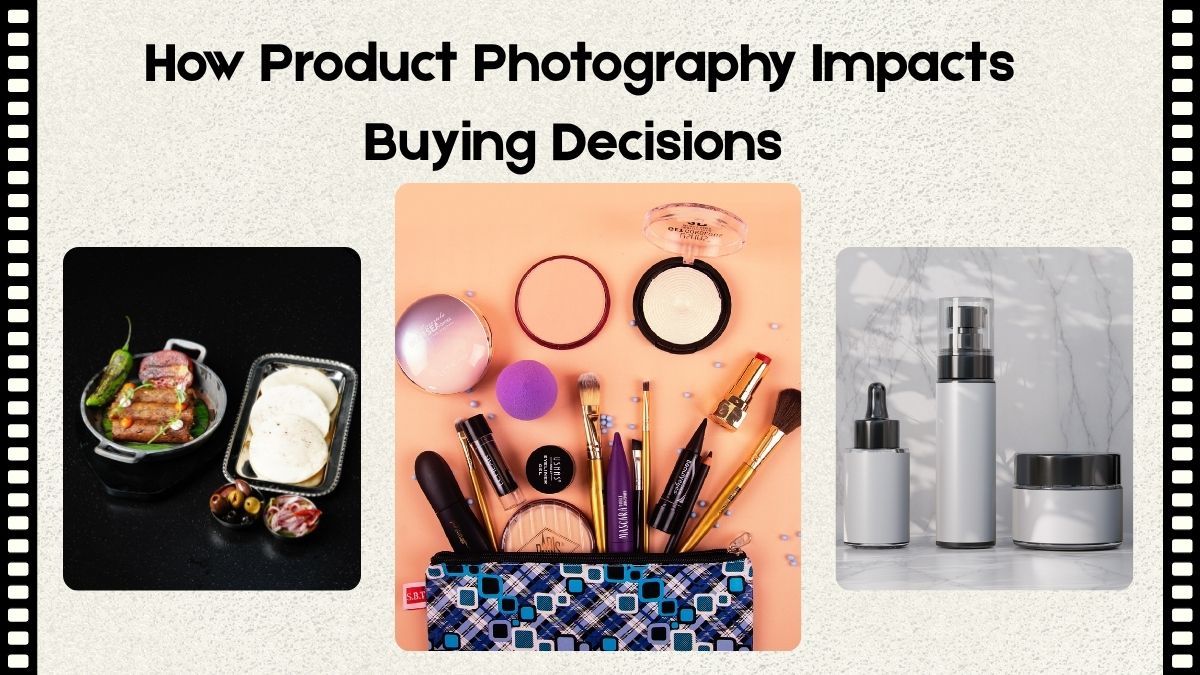
Shopping online has made product photographs one of the most important sources of information for customers. Before reading descriptions, comparing specifications, or checking reviews, most people look at the images to decide whether a product deserves their attention. Understanding how product photography impacts buying decisions helps explain why customers trust certain products immediately while ignoring others that may offer similar features at the same price.
How Does Product Photography Impact Buying Decisions?
Product photography impacts buying decisions by helping customers evaluate a product before they can physically interact with it. Clear and accurate images reduce uncertainty, improve product image perception, and support visual buying decisions by showing shoppers what they can realistically expect. As customers gain confidence through photographs, they become more comfortable comparing products, trusting the seller, and moving closer to making a purchase.
The Purchase Journey Often Begins With an Image
Very few customers begin their shopping journey by reading every product detail. Instead, they scan product listings, notice photographs, and decide within seconds which products deserve a closer look. Images create the first impression long before the description has a chance to explain features or benefits.
This explains how product photography impacts buying decisions from the very beginning of the customer journey. When photographs present a product clearly and honestly, shoppers naturally become more interested in learning more. On the other hand, poor images often create doubt before the product has an opportunity to prove its value.
Looking Beyond the First Impression
After deciding a product looks interesting, customers immediately begin examining the photographs more carefully. Every image answers questions that naturally appear during the buying process and helps reduce uncertainty before a purchase is made.
- Material Quality: Customers often zoom into photographs to understand textures, finishes, and materials. Since they cannot touch the product, detailed images become the closest alternative to inspecting it in person. This directly supports purchase decisions influenced by product images because shoppers rely on visual evidence instead of physical experience.
- Visible Details: Small elements such as stitching, buttons, handles, labels, or product finishes receive close attention. These details help customers feel that the product has been presented honestly without hiding important information.
- Colour Accuracy: Colours strongly influence expectations. When photographs accurately represent colours, customers feel more confident that the product they receive will match what they saw online, improving consumer buying behaviour by reducing hesitation.
- Product Size: Images showing different angles or products in realistic settings make dimensions easier to understand. Customers often trust visual comparisons more than written measurements because they provide better context.
- Overall Appearance: The overall presentation influences product image perception almost instantly. Products that appear clean, organised, and professionally presented often create a stronger feeling of reliability than products shown through unclear or inconsistent photographs.
When Similar Products Feel Completely Different
It is common to compare two products that have similar prices, features, and customer ratings but still feel very different. The difference often comes from the way each product has been presented rather than from the product itself.
Photographs influence how customers interpret quality before they begin comparing technical information. Clean compositions, consistent backgrounds, and realistic product representation create confidence because they reduce uncertainty. This is another example of how product photography impacts buying decisions, as customers naturally compare products visually before comparing specifications.
Readers interested in understanding the broader role photographs play in creating customer confidence can also explore What Is Product Photography and Why It Matters for Brands, which explains why product imagery has become an essential part of modern brand communication.
The Details That Build Buying Confidence
Once customers decide a product looks trustworthy, they continue searching for visual proof that supports their decision. Different photographs answer different questions throughout this process, helping shoppers evaluate products from multiple perspectives instead of relying only on written descriptions.
- Close-Up Views: Close-up photographs help customers inspect textures, finishes, stitching, buttons, or small design elements that cannot always be described through words. These details reduce uncertainty and support purchase decisions influenced by product images because shoppers feel they have examined the product more carefully.
- Multiple Angles
- A single photograph rarely answers every question. Showing the front, back, sides, and important features allows customers to understand the product more completely and compare it with similar options before making a decision.
- Realistic Colours: Customers expect products to look the same after delivery as they do online. When photographs accurately represent colours, they create realistic expectations and encourage healthier consumer buying behaviour, reducing disappointment after purchase.
- Products in Context: Seeing a product being used or placed in a real-life setting helps customers understand its size, purpose, and practicality. These photographs make it easier to imagine owning the product instead of simply viewing it on a plain background.
- Consistent Presentation: Customers notice consistency even if they don't consciously think about it. Similar backgrounds, lighting, and image quality across a product catalogue create a stronger product image perception, making the entire shopping experience feel more reliable.
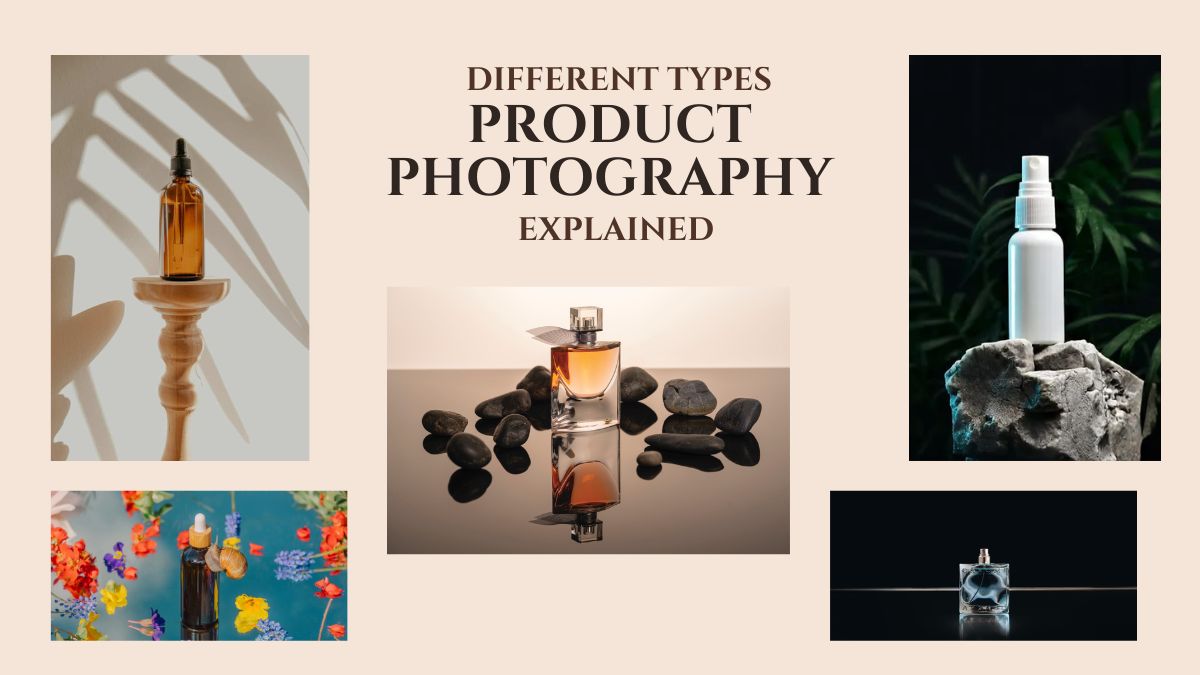
Readers who would like to understand why brands use close-up images, lifestyle photographs, detail shots, and white-background images can also explore Different Types of Product Photography Explained, which explains how each style serves a different purpose during the customer journey.
Buying Decisions Often Begin Before Reading
Many customers believe they make logical buying decisions after comparing specifications, but the decision-making process often starts much earlier. Images shape expectations before shoppers begin reading descriptions, checking reviews, or comparing prices.
This explains how product photography impacts buying decisions beyond attracting attention. Strong product photographs encourage customers to continue exploring, while poor images often stop the buying journey before it truly begins. Once confidence is established visually, written information becomes a way to confirm the decision rather than create it.
Frequently Asked Questions
How does product photography influence customer buying decisions?
Product photography helps customers understand a product before they purchase it. Clear and realistic images reduce uncertainty, improve confidence, and allow shoppers to evaluate quality, appearance, and important details that written descriptions alone cannot communicate.
Why are product images important for online shopping?
Since online shoppers cannot physically examine products, photographs become the primary source of visual information. They help customers compare products, understand what they are buying, and make more confident purchasing decisions.
Can product photographs affect customer trust?
Yes. Customers often associate the quality of product photographs with the quality of the product and the professionalism of the brand. Clear, consistent, and accurate images help establish trust before a purchase is made.
What role does product image perception play in buying decisions?
Product image perception influences how customers interpret a product's quality, value, and reliability. Positive visual impressions encourage shoppers to continue exploring the product, while poor presentation can create hesitation even when the product itself is excellent.
Conclusion
Understanding how product photography impacts buying decisions shows that photographs do much more than display a product. They help customers evaluate quality, reduce uncertainty, compare options, and develop confidence before making a purchase. Strong visuals support visual buying decisions by giving shoppers the information they need at every stage of the buying journey. As online shopping continues to grow, product images remain one of the most influential factors shaping customer expectations, trust, and purchasing behaviour.