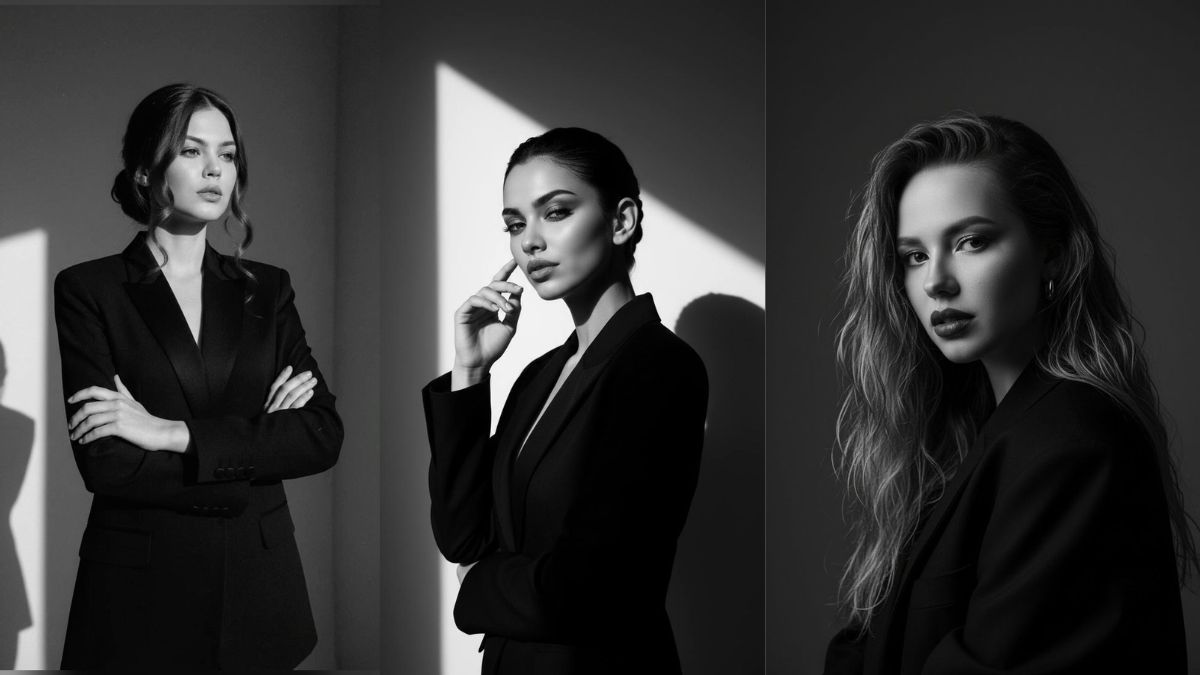
What to Wear for a Professional Photoshoot: Dress Code Tips
createsco
October 15, 2026
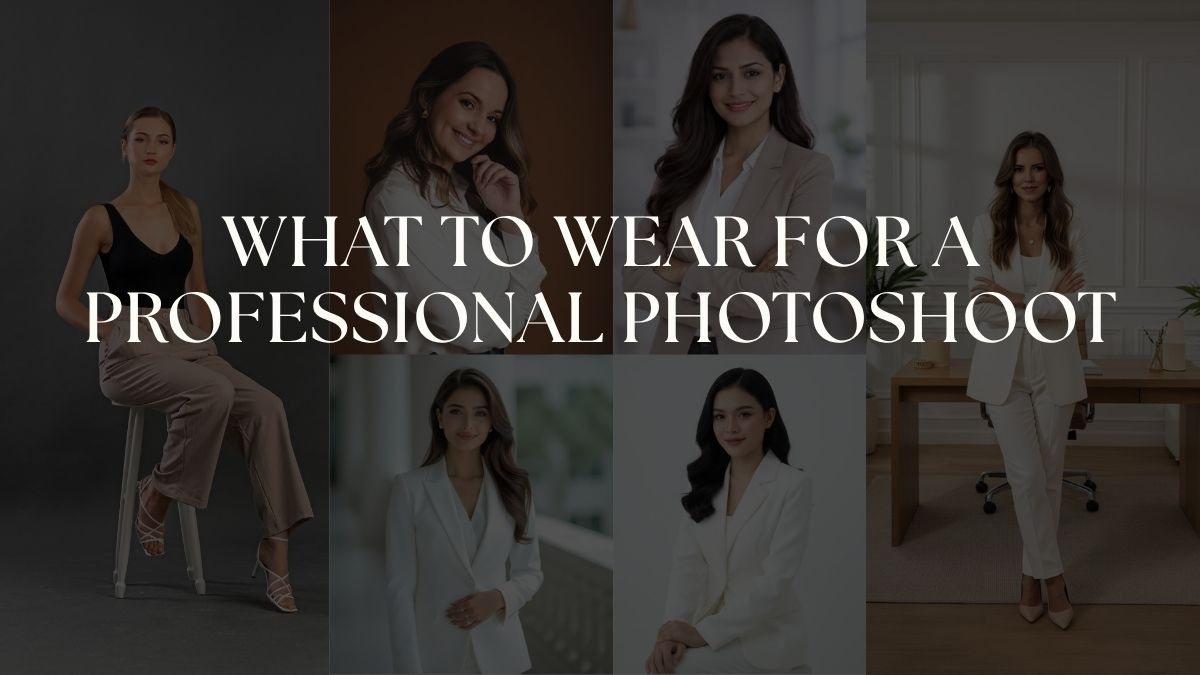
Choosing the right outfit can make a difference in how you look and feel in professional photographs. Clothes that fit well, suit your role, and work with the background can help you look polished without appearing overdressed. If you are deciding what to wear for a professional photoshoot, start by considering the purpose of the session and the impression you want to create. This guide covers practical clothing tips, colour choices, outfit ideas, and common mistakes to avoid before your session.
What Should You Wear for a Professional Photoshoot?
A professional photoshoot dress code is not the same for everyone. Corporate headshots may call for formal clothing, while personal branding portraits can allow more room for individual style. In most cases, what to wear for a professional photoshoot comes down to choosing well-fitted clothes, suitable colours, simple patterns, and accessories that complement your look. Comfort matters too, because you should be able to sit, stand, and move naturally during the session.
Quick Outfit Checklist Before You Start
- Choose clothes that fit properly.
- Select colours that suit the background.
- Avoid distracting prints and oversized logos.
- Make sure your clothes are clean and wrinkle-free.
- Keep accessories suitable for the purpose of the shoot.
- Match your outfit to your role or industry.
- Try your complete outfit before the session.
- Prepare another option if you expect to change outfits.
8 Dress Code Tips for a Professional Photoshoot
1. Choose an Outfit That Matches the Purpose
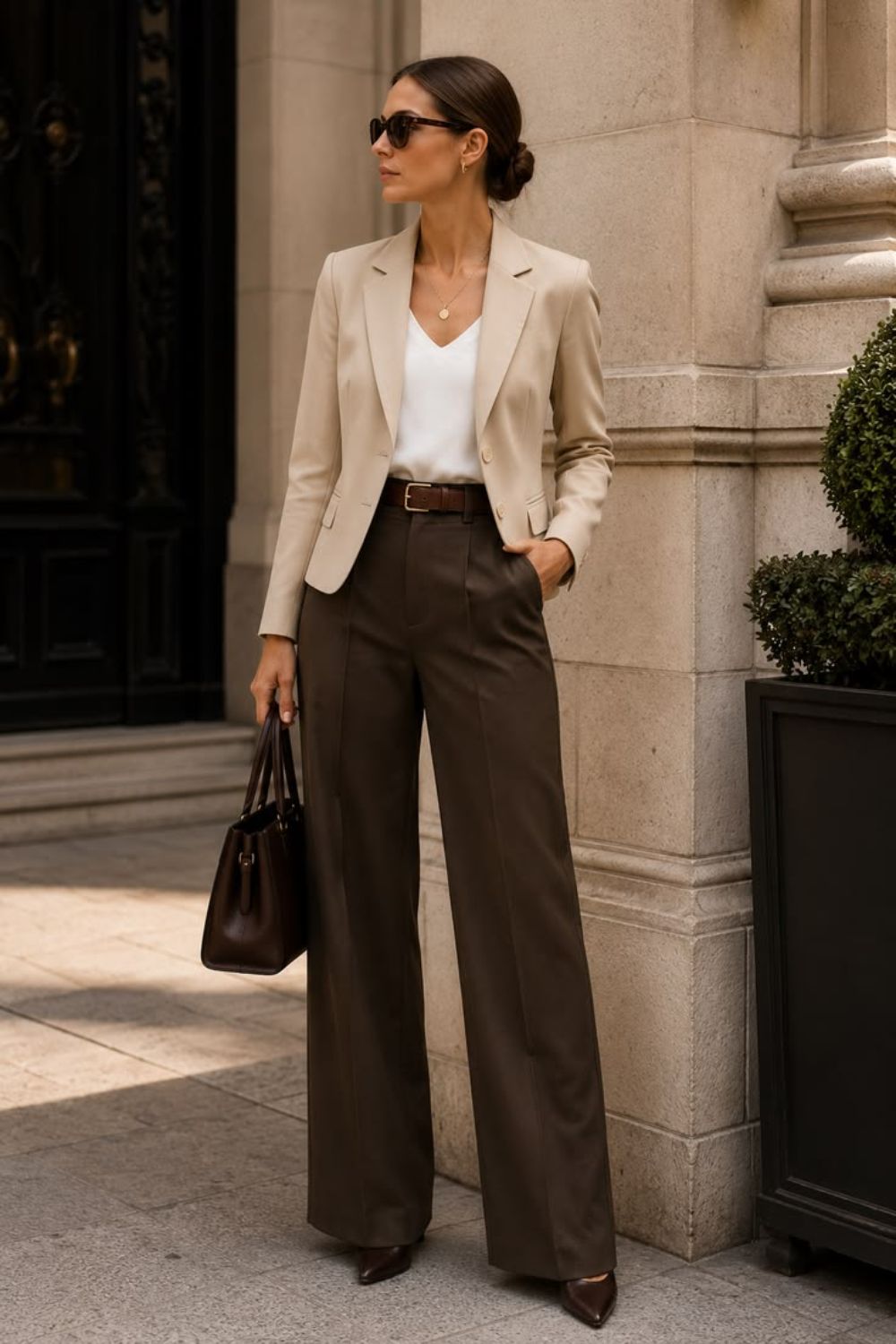
Start by thinking about where the photographs will be used. A LinkedIn profile picture, company website portrait, business profile, and creative portfolio may each need a slightly different look. Formal shirts, blazers, and structured dresses can suit traditional business portraits, while smart casual clothing may work better for a relaxed personal brand.
When comparing professional photoshoot outfit ideas, focus on whether the clothes suit the image you want to present. You do not need to copy someone else's style. Choose something that feels appropriate to your work and still looks like you.
2. Pick Colours That Look Good on Camera
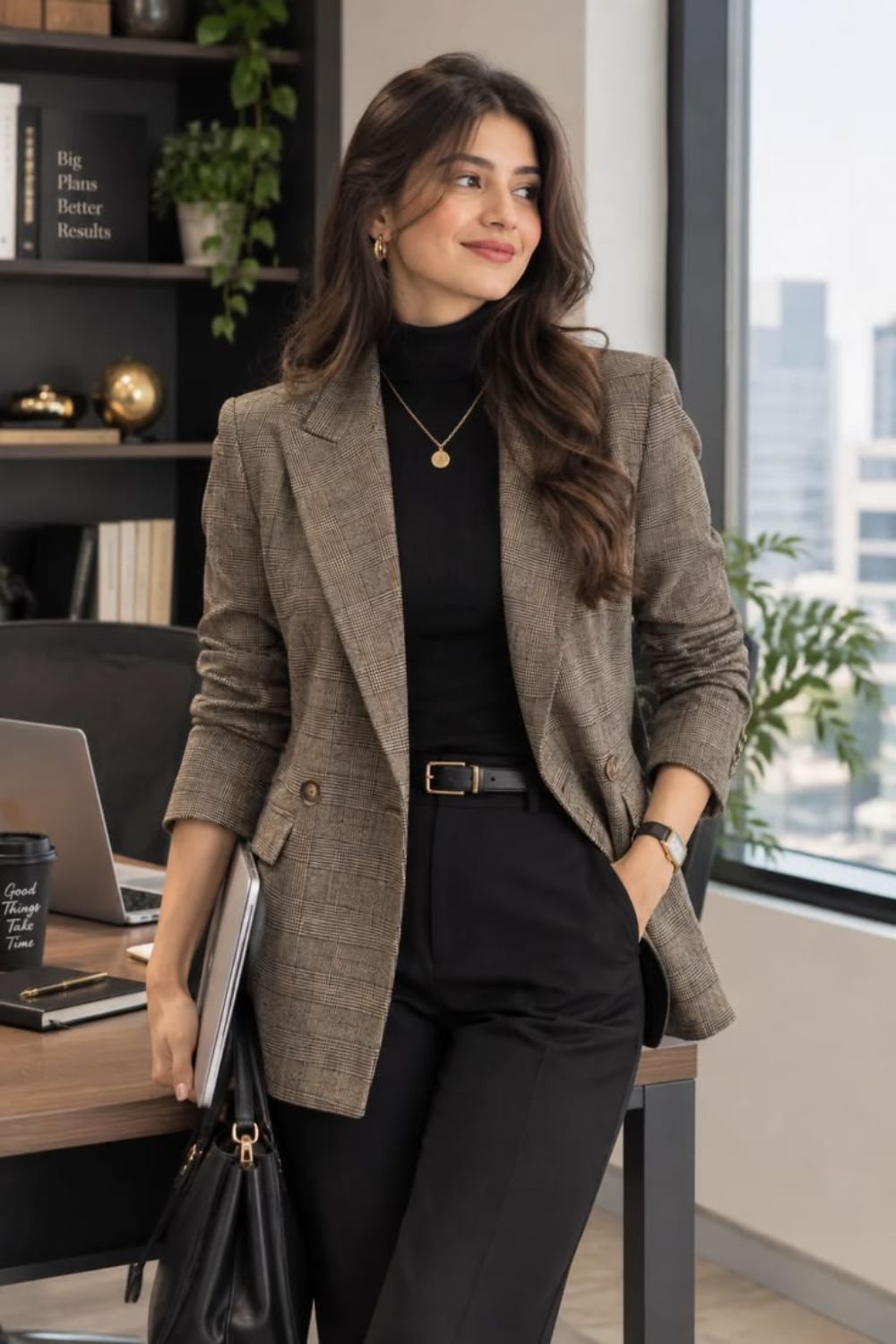
Colour can affect how much attention your outfit receives in a photograph. Solid colours and simple combinations are often easy to work with because they keep the frame from looking too busy. Navy, grey, cream, muted green, and other balanced tones may suit many professional settings, but the right choice depends on your skin tone, background, and brand identity.
The best colours to wear for a photoshoot are not the same for every person or setting. Check what background will be used, and avoid choosing an outfit that blends into it completely. A little contrast can help your face and clothing stand out clearly.
3. Pay Attention to Fit and Comfort
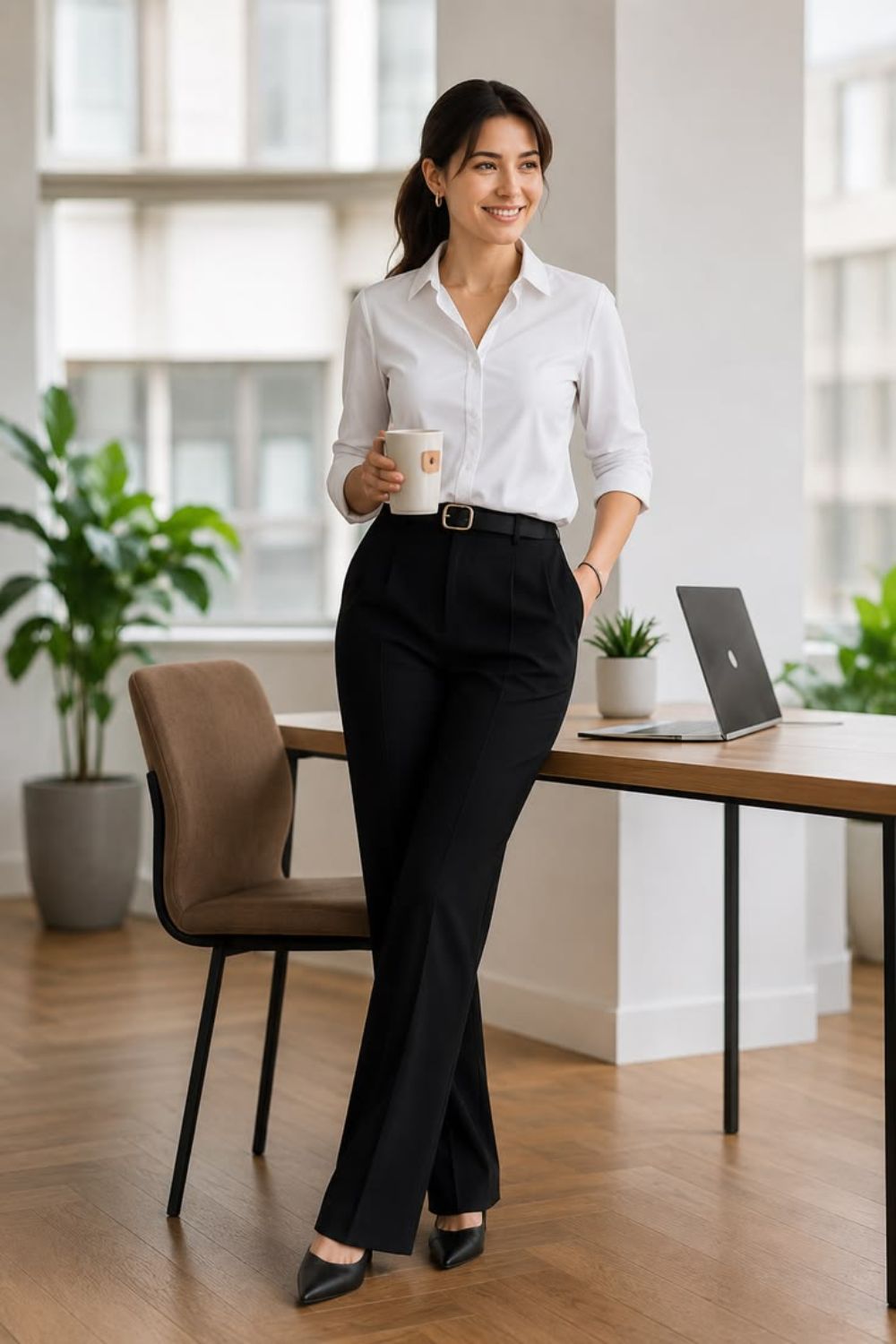
Clothing should fit comfortably when you are standing, sitting, or turning toward the camera. Shirts that pull at the buttons, jackets that bunch up, or dresses that need constant adjustment can distract you during the session. Try the outfit in the poses you expect to use.
Comfort also helps you look more relaxed. You do not have to wear tight or highly structured clothing to look professional. A neat outfit that fits your body properly will usually work better than something that looks impressive but feels difficult to wear.
4. Avoid Distracting Patterns and Large Logos
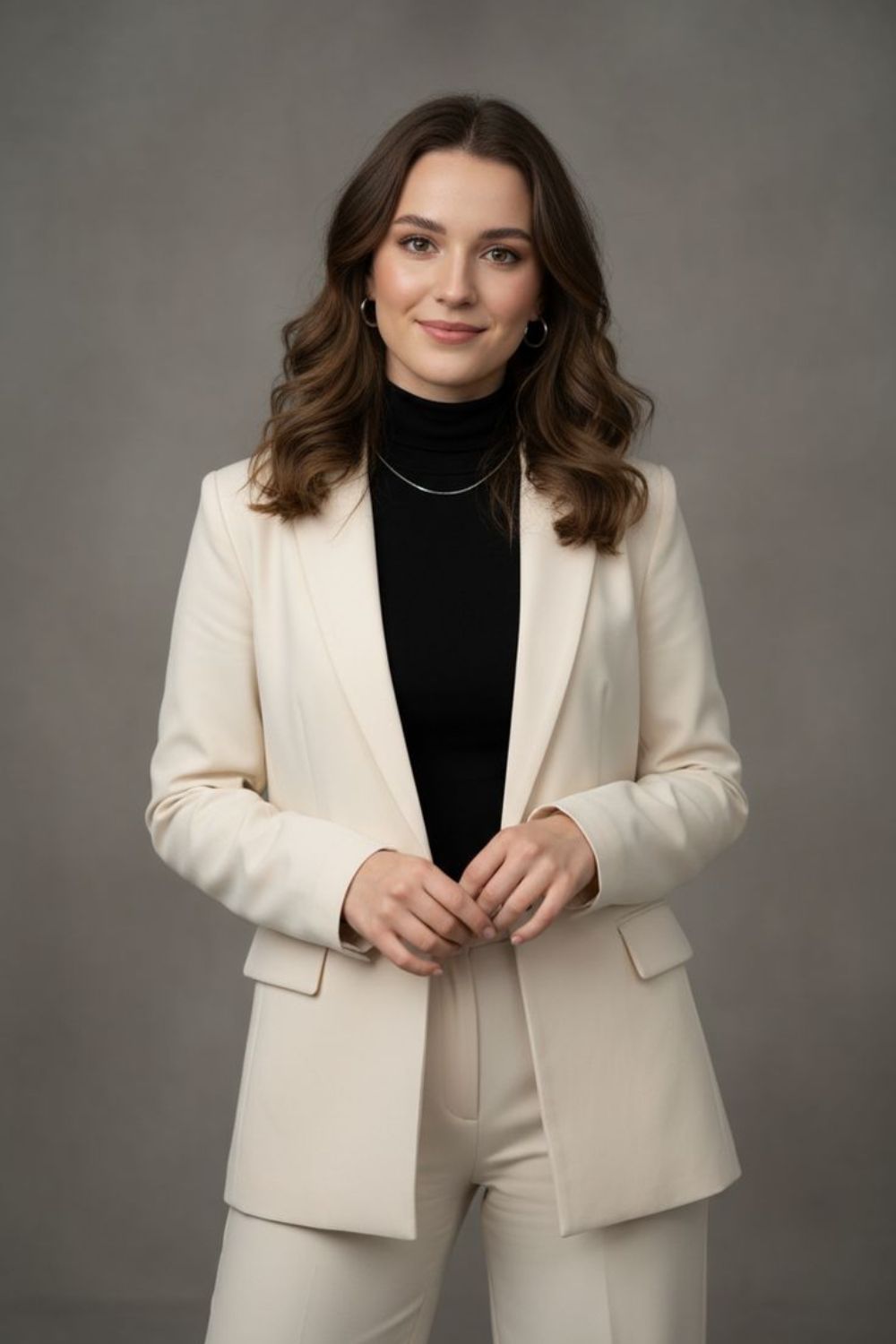
Large logos, bold slogans, and very busy prints can draw attention away from your face. Small repeating patterns may also appear distracting in some photographs, depending on the camera and image size. Simple designs can be a reliable choice, especially for headshots that will appear as small profile images.
This does not mean every pattern is unsuitable. A subtle check, textured fabric, or tasteful print may fit your style. Look at the full outfit and consider whether the design supports the professional image you want or becomes the first thing people notice.
5. Choose Fabrics That Photograph Well
Check how your clothing looks under the lighting you expect to use. Some shiny materials can reflect light strongly, while lightweight fabrics may crease easily. These effects are not always a problem, but they are worth checking before the session.
Iron or steam your clothes beforehand and bring them in a way that helps prevent wrinkles. If possible, take a quick test photograph in the complete outfit. This gives you an opportunity to notice unexpected shine, folds, or colour differences before the actual session.
6. Keep Accessories and Styling Simple
Accessories should complement your outfit rather than compete with it. A watch, small earrings, a simple necklace, or a tie can complete a professional look. Large reflective jewellery or several attention-grabbing accessories may distract from your face, particularly in close-up portraits.
Think about hair and grooming as part of the overall appearance. Your styling does not need to be elaborate. The aim is to look neat and feel comfortable, while keeping the focus on your face and the impression you want to create.
7. Dress for Your Industry or Personal Brand
Professional clothing varies by role. Someone working in finance or law may prefer a formal shirt, blazer, or structured outfit. A designer, photographer, consultant, or business owner may choose a more relaxed style that reflects their personality and work.
For instance, a few professional photography clothing tips for a creative professional may include adding colour or a distinctive accessory while keeping the rest of the outfit simple. Your clothing should feel appropriate to the audience you want to reach, rather than following a single rule for what professional people must wear.
8. Prepare Your Outfit in Advance
Avoid deciding what to wear just before leaving for the session. Try the complete outfit with shoes and accessories, check the fit, and take a test photograph in suitable lighting. This helps you catch small problems such as visible creases, clashing colours, or accessories that do not work well together.
If the session includes multiple looks, keep each outfit organised and easy to change into. You can also ask the photographer about the background and lighting setup beforehand so that your clothing choices suit the planned photographs.
What to Wear for Different Types of Professional Photoshoots
Corporate Headshots
Corporate headshots are often used for company websites, LinkedIn profiles, and professional directories. A clean shirt, blazer, simple dress, or another polished outfit can work well, depending on the person's role and workplace.
A few professional headshot outfit ideas include choosing a solid-colour top, wearing a well-fitted jacket, and keeping jewellery simple. If your workplace has a usual dress standard, following it can help your photograph fit naturally alongside those of your colleagues.
Personal Branding Photos
Personal branding portraits can allow more flexibility because they are often meant to express your personality as well as your work. A business owner might choose smart casual clothing, while a consultant may prefer a more formal look. Consider the message your audience should take away from the photographs and select clothing that supports it.
Team and Company Photos
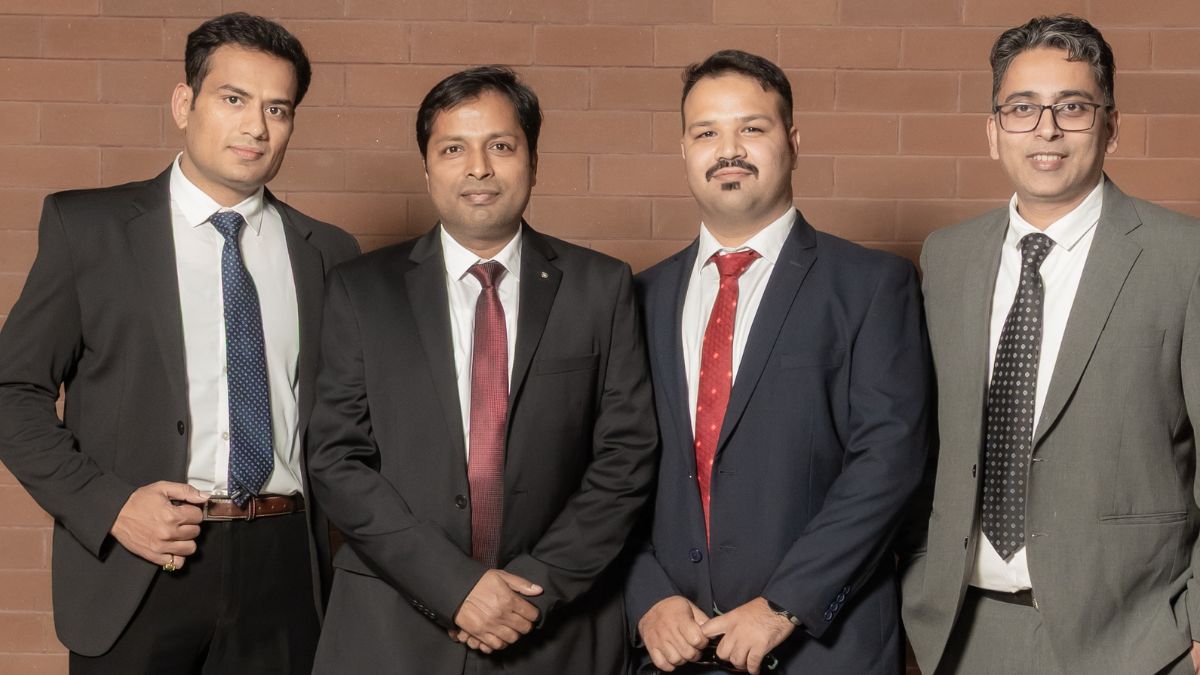
For group photographs, consistency is usually more important than wearing identical clothes. Agree on a similar level of formality and a compatible colour palette. For example, the team might choose neutral colours and business casual outfits without requiring everyone to wear the same shirt.
Useful corporate photoshoot outfit ideas include selecting a small group of complementary colours and avoiding large logos or highly contrasting patterns that could make the group look visually uneven.
Creative Professional Portraits
People in creative roles can use more colour, texture, or personal styling when it suits their work. A bold jacket or a distinctive accessory may help express individual style, while a simple base outfit keeps the overall look balanced. The clothing should support your professional identity rather than make the photograph feel unrelated to your work.
What Not to Wear for a Professional Photoshoot
Avoid clothing that is uncomfortable, poorly fitted, or visibly wrinkled. Very large logos, distracting text, and busy prints can pull attention away from your face. Highly reflective fabrics may also create unwanted highlights under some lighting setups.
You do not need to avoid every bright colour, pattern, or accessory. Instead, consider the purpose of the photograph and the background. If you are unsure what to wear for professional photos, try two options and compare test pictures. The one that looks balanced, feels comfortable, and suits the intended image is usually the more practical choice.
How Many Outfits Should You Prepare?
One outfit may be enough for a short headshot session, especially if you need only one or two final photographs. Longer personal branding sessions may benefit from two or three options to create variety across different images.
The most useful approach to what to wear for a professional photoshoot is to choose outfits that serve a clear purpose. You might prepare one formal look and another that feels more relaxed, provided both suit how you plan to use the photographs. Check the session plan with the photographer before packing extra clothes.
Conclusion
The right clothing for a professional portrait should suit the purpose of the session, fit comfortably, and help you present yourself confidently. Pay attention to colours, patterns, fabric, accessories, and the background, but do not feel that you must follow a strict dress code to look professional. When choosing what to wear for a professional photoshoot, focus on a neat outfit that feels like you and supports the image you want people to remember.
FAQs
What is the best outfit for a professional photoshoot?
Choose clean, well-fitted clothing that suits the purpose of the photographs. Solid colours and simple designs are often useful starting points, but the best outfit also depends on your profession, personal style, and background.
Which colours look best in professional photos?
Navy, grey, cream, muted green, and other balanced colours can work well in many settings. Choose shades that complement your skin tone and contrast suitably with the background rather than relying on one colour rule.
Should I wear formal or casual clothes for a professional photoshoot?
It depends on how you plan to use the photographs. Corporate headshots may suit formal or business casual clothing, while personal branding portraits can allow more flexibility. Choose an outfit that matches your role and intended audience.
What clothes should I avoid for professional photographs?
Be cautious with wrinkled clothes, uncomfortable fits, distracting slogans, very busy prints, and fabrics that reflect too much light in the planned setup. These are general considerations, not strict rules for every outfit.
How many outfits should I bring to a professional photoshoot?
For a short headshot session, one outfit may be enough. For a longer personal branding shoot, two or three options can add variety. Confirm the session length and outfit changes with the photographer beforehand.